



The Golden Age of American Muscle Cars, the Legend of the 1969 Mustang Mach 1, and the Effects of th
The period from the mid-1960s to the early 1970s witnessed the golden age of high-performance vehicles known as muscle cars in American automotive history. These cars, featuring powerful V8 engines housed in mid-size, two-door bodies, became symbols of power, freedom, and raw engineering in American culture. This article focuses on the birth and peak of the muscle car tradition, the technical and cultural significance of the legendary 1969 Ford Mustang Mach 1, and the impact of the 1973 OPEC oil crisis on automotive design and industry.
The Birth and Golden Age of Muscle Cars (1960s)
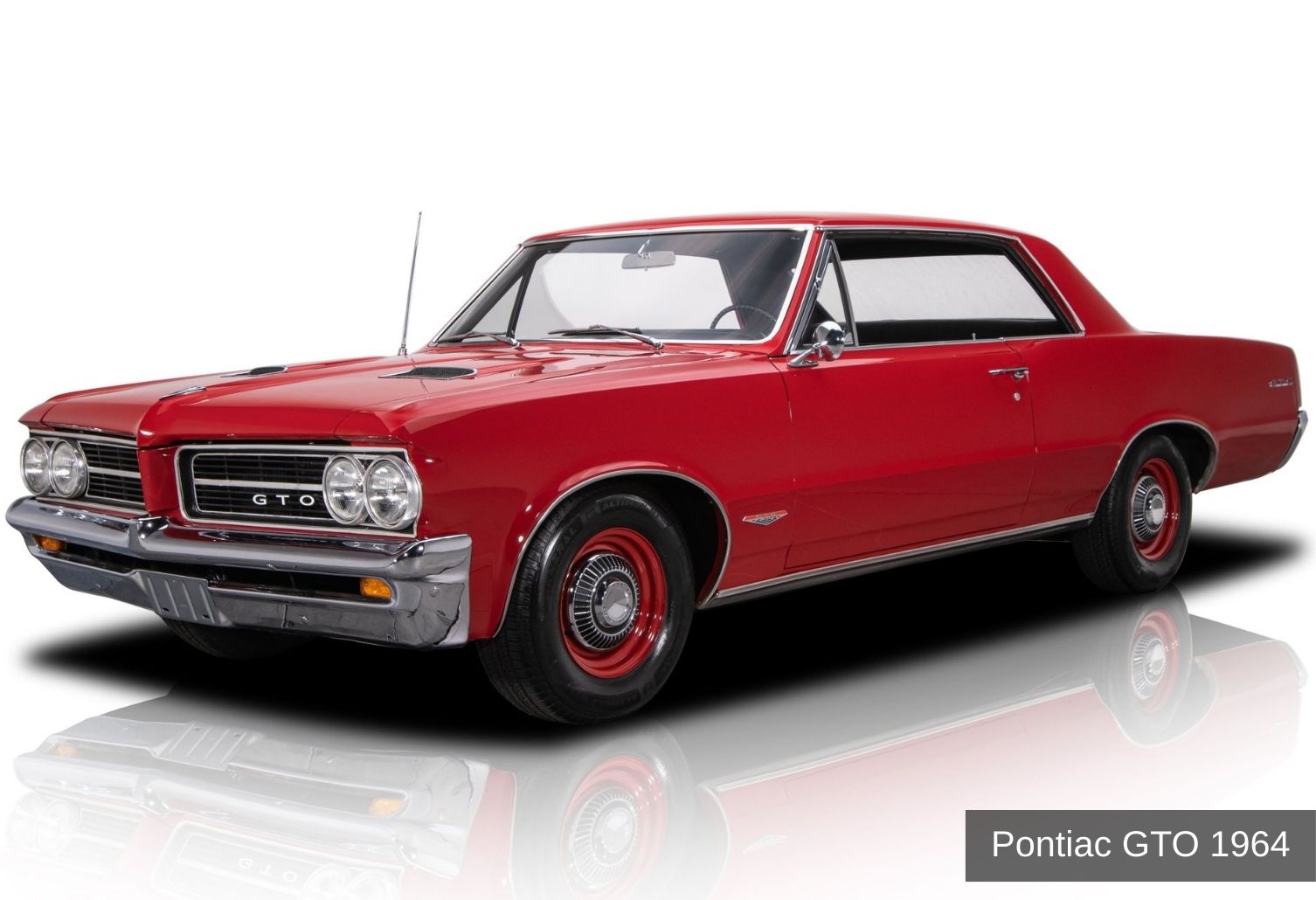
The 1960s were a period of increasing economic prosperity and rising rebellious spirit among young people in the US. Automobile manufacturers responded to this youthful craving with loud, fast, and boldly designed powerful cars. The muscle car concept emerged from the idea of fitting a large-displacement V8 engine into a relatively compact and lightweight body. The initial spark is generally attributed to the 1964 Pontiac GTO: Pontiac launched a formula that would be imitated across the industry by placing its large 389 cubic-inch (6.4 L) V8 engine in the smaller Tempest model. Soon, rivals such as the Ford Mustang (although initially classified as a "pony car," it entered muscle car territory with powerful V8 options), the Chevrolet Camaro, and the Dodge Charger and Challenger also appeared, initiating a fierce "horsepower war" in the market.
During these horsepower wars, the engine power of automobiles rapidly increased. Manufacturers began producing monsters exceeding 400 horsepower at the factory gate to outperform each other. For example, Chevrolet's 454 big-block V8, Ford's 428 Cobra Jet engine, and Chrysler's legendary 426 Hemi became icons of high performance during this period. Muscle cars had incredible acceleration capabilities in a straight line; most models could complete 0-100 km/h in around 6 seconds. These vehicles left their mark not only with their technical specifications but also with their cultural impact. Classic muscle cars starred in films like Bullitt and Vanishing Point, and brand-specific competition intensified on drag tracks on weekends. A sales strategy even emerged in the automotive world, expressed by the motto "Win on Sunday, sell on Monday"; showroom sales of vehicles that were successful in races skyrocketed. In short, the muscle car carved out a unique place for itself in America's identity and fueled the dreams of a generation.
1969 Mustang Mach 1: Technical Specifications and Cultural Significance
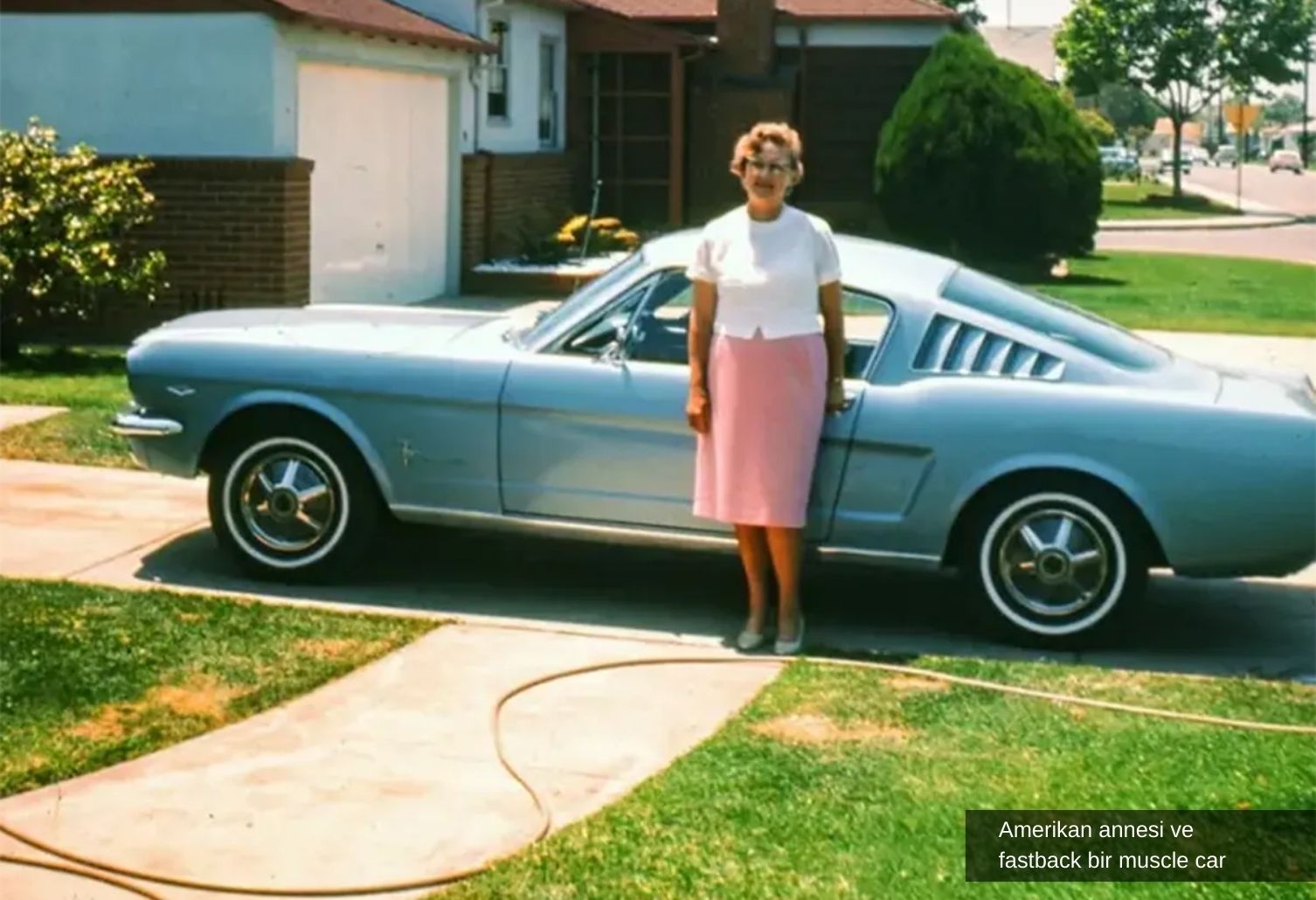
The 1969 Ford Mustang Mach 1, a high-performance version of the first-generation Mustang, represented the pinnacle of the muscle car era.
In 1969, Ford made a special move in the arena of fierce muscle car wars by launching the Mustang Mach 1. Developed to fill the gap between the lower-end models of the first-generation Mustang and the high-performance models prepared by Shelby, the Mach 1 was positioned to compete with legends of the era such as the Chevrolet Camaro SS, Pontiac GTO, and Dodge Charger R/T. The Mach 1 immediately stood out in terms of design: an aggressive shaker air intake on the matte black hood, hood lock pins, front and rear spoilers, and rear window louvers gave it a wild look that distinguished it from standard Mustangs. Racing stripes and "Mach 1" graphics on the body, and wood-look details and a sporty instrument panel inside, showed that this car appealed to a young customer base that valued both performance and style.
One of the Mach 1's greatest strengths was under the hood. Ford offered customers a veritable engine menu: engine options started with a standard 5.8-liter (351 Windsor V8), extended to a 6.4-liter 390 cid V8, and topped out with a 7.0-liter 428 Cobra Jet V8. These power units produced between 250 and 335 horsepower from the factory, which was extremely impressive by the standards of the time. For example, a Mach 1 with a 428 Cobra Jet engine could accelerate from 0-60 mph (0-97 km/h) in approximately 5.5 seconds and complete a quarter-mile (400-meter) drag race in around 14 seconds. The four-speed manual transmission option, performance differential, and stiffened suspension package (Competition Suspension) made the Mach 1 a true street racer. These features gave the Mach 1 a tremendous advantage in straight-line performance, but its cornering ability was limited by today's standards due to the weight distribution at the front and the use of a live rear axle, typical of its time. Nevertheless, the driving experience offered an exhilarating character that made the driver feel the raw power in their bones.
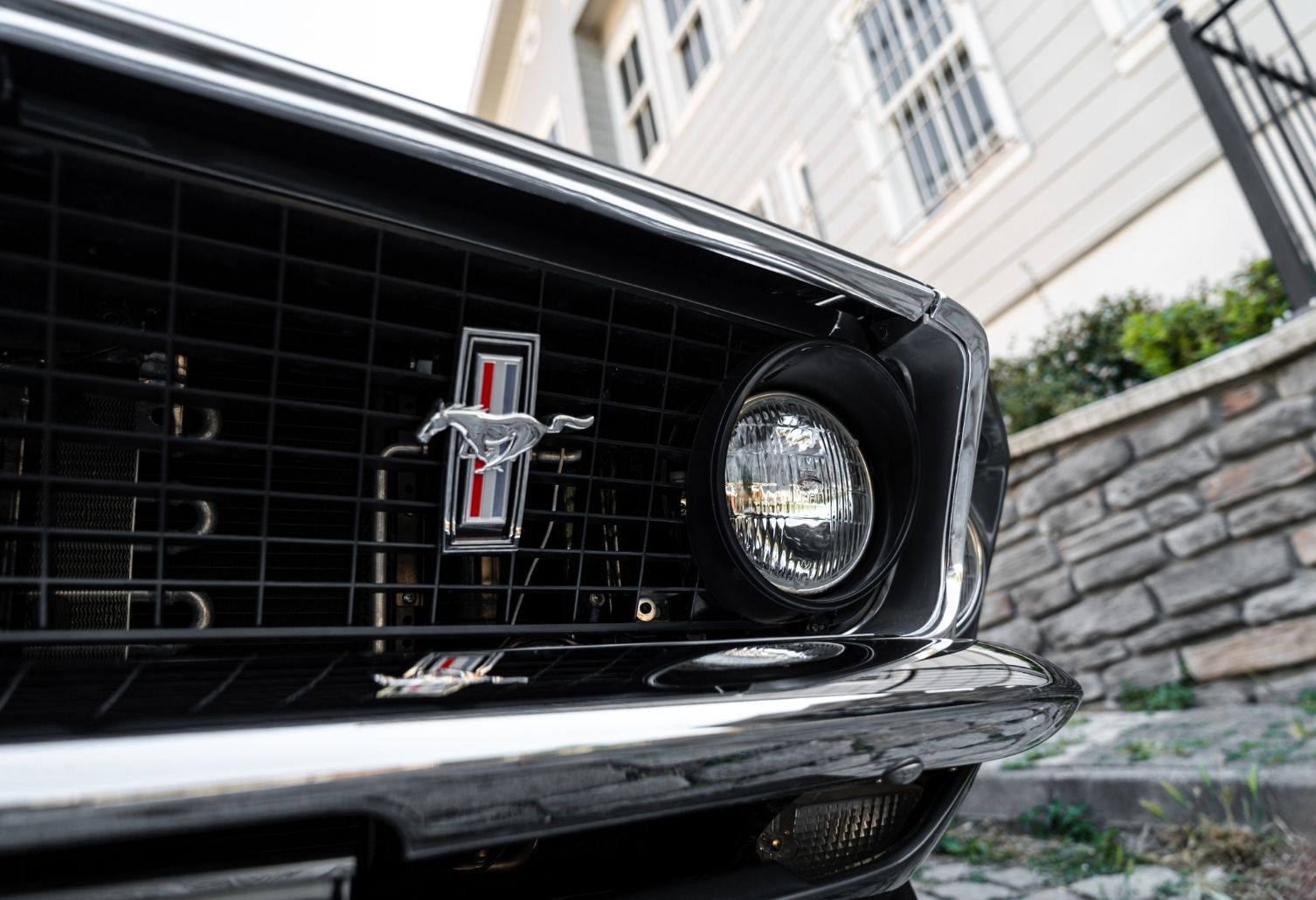
The Mach 1 also garnered significant market interest. In its first year of production, 1969, approximately 72.000 Mustang Mach 1s were sold – a remarkable figure for a performance-oriented model. This success proved that the Mach 1 had become a key figure in the golden age of muscle cars. Over the following few years, the model underwent some changes in terms of design and performance. Minor cosmetic updates were made in 1970; in 1971, when the Mustang body adopted a larger and heavier design, the Mach 1 adapted accordingly (this generation, for example, used the 351 Cleveland engine). However, emission regulations that came into effect in 1972 also hampered the Mach 1 – reduced compression ratios and power-reducing equipment led to decreased engine output. This was reflected in sales figures: in 1972, Mach 1 production dropped to around 27,000 units. In 1973, the first generation Mach 1 series rolled off the production line for the last time, with approximately 35,000 units produced.
From a cultural perspective, the Mustang Mach 1 left a legacy that cemented its name in history. It became a part of 1970s popular culture; for example, a red Mustang Mach 1 in the 1971 James Bond film **“Diamonds Are Forever”** is remembered for its chase scene through the streets of Las Vegas. (The previous year's Bullitt also featured a Mustang, and although the model in that film was a 1968 GT, it further increased the popularity of the Mustang name.) The Mach 1 also made its mark on the track in the Trans-Am racing series, used by Mustang teams, reinforcing its reputation for performance. Today, the Mach 1 is one of the most sought-after classic Mustangs for collectors. Its high prices at auctions and the interest in restored examples at automotive auctions demonstrate its status as both a technical achievement and a cultural icon.

The Effects of the OPEC Oil Crisis on Automotive Design and Industry
The long queues of cars that formed in front of gas stations in the US during the 1970s oil crisis symbolized the abrupt end of the era of "big-engined American cars.
The OPEC oil crisis that erupted in the fall of 1973 was a devastating blow to the American automotive industry. In October 1973, the Organization of Arab Petroleum Exporting Countries (OAPEC) imposed an oil embargo against countries supporting Israel in the Yom Kippur War, halting oil shipments to the United States. This embargo resulted in fuel shortages, and the price of gasoline skyrocketed overnight: the price per gallon quadrupled, rising from $0.30 to $1.20. The impact of this increase on daily life was dramatic. Muscle car owners, who until then had comfortably consumed 25-30 liters of gasoline per 100 kilometers thanks to cheap fuel, found the cost of filling a tank multiplied. The cost of filling a 20-gallon (75-liter) tank in 1973 had risen to approximately $24 (around $160 in today's value!). As a result, driving those massive V8-engined "gasoline monster" cars became a luxury for many. Long gas lines and "no gas today" signs became commonplace. Consumers turned to fuel-efficient cars; small Japanese models, in particular, were in high demand. For example, economical cars like the Honda Civic, which could consume 40 miles per gallon (approximately 5.9 liters per 100 km), quickly rose to prominence in the US market by 1975, tripling muscle car sales.

The impact of the oil crisis was not limited to this. In fact, when considered alongside the environmental and safety regulations that came into effect in the early 1970s, the American automotive industry was under pressure on several fronts. The Clean Air Act of 1970 mandated a reduction in automobile emissions of up to 90% by 1975. This law and subsequent EPA (Environmental Protection Agency) standards forced manufacturers to revise their high-performance models. Additional power-restricting systems were added to engines, a switch to unleaded gasoline began, and compression ratios were reduced. As a result, the factory horsepower of many muscle car models between 1971-73 decreased significantly. For example, the 1970 Pontiac GTO's 400 cid (6.6L) V8 engine produced approximately 366 HP, while the same engine in the 1974 model only produced around 200 HP. Below, we have summarized the main changes automotive manufacturers made to comply with emission regulations:
- Catalytic converters were added: By 1975, almost all new vehicles were fitted with catalytic converters to clean exhaust emissions. These systems mandated the use of unleaded gasoline and led to some performance losses.
- Engine compression ratios were reduced: To eliminate the need for high-octane leaded gasoline and decrease emissions, engine compression ratios were reduced from values such as 10:1 to levels of 8:1. This, however, limited the potential power of the engines.
- The engines were “detuned”: the mixture and timing were readjusted at the factory settings, reducing the power output of the engines by around 40-50%. The legendary high-horsepower engines of a bygone era appeared to be half as powerful on paper within a few years.
Insurance costs also became a deterrent for performance cars. In the early 1970s, insurance companies began charging astronomical premiums for high-powered muscle cars driven by young drivers. For example, the annual insurance premium for a 1970 Chevrolet Chevelle SS skyrocketed to around $300, while insurance for a smaller Toyota Corolla cost around $100 during the same period. Some states even imposed additional taxes and fees directly on owners of high-performance models (such as New York's "supercharger surcharge"). As a result of all these economic and legal pressures, the once-popular V8 sports cars rapidly began losing customers. A 55% drop in V8-engined vehicle sales in the US was recorded between 1970 and 1975. Ford Mustang sales figures illustrate the dramatic impact of this transformation: in 1966, the legendary Mustang sold approximately 600,000 units, while in 1975 (now a much smaller and weaker model called the Mustang II) only managed 63,000 units.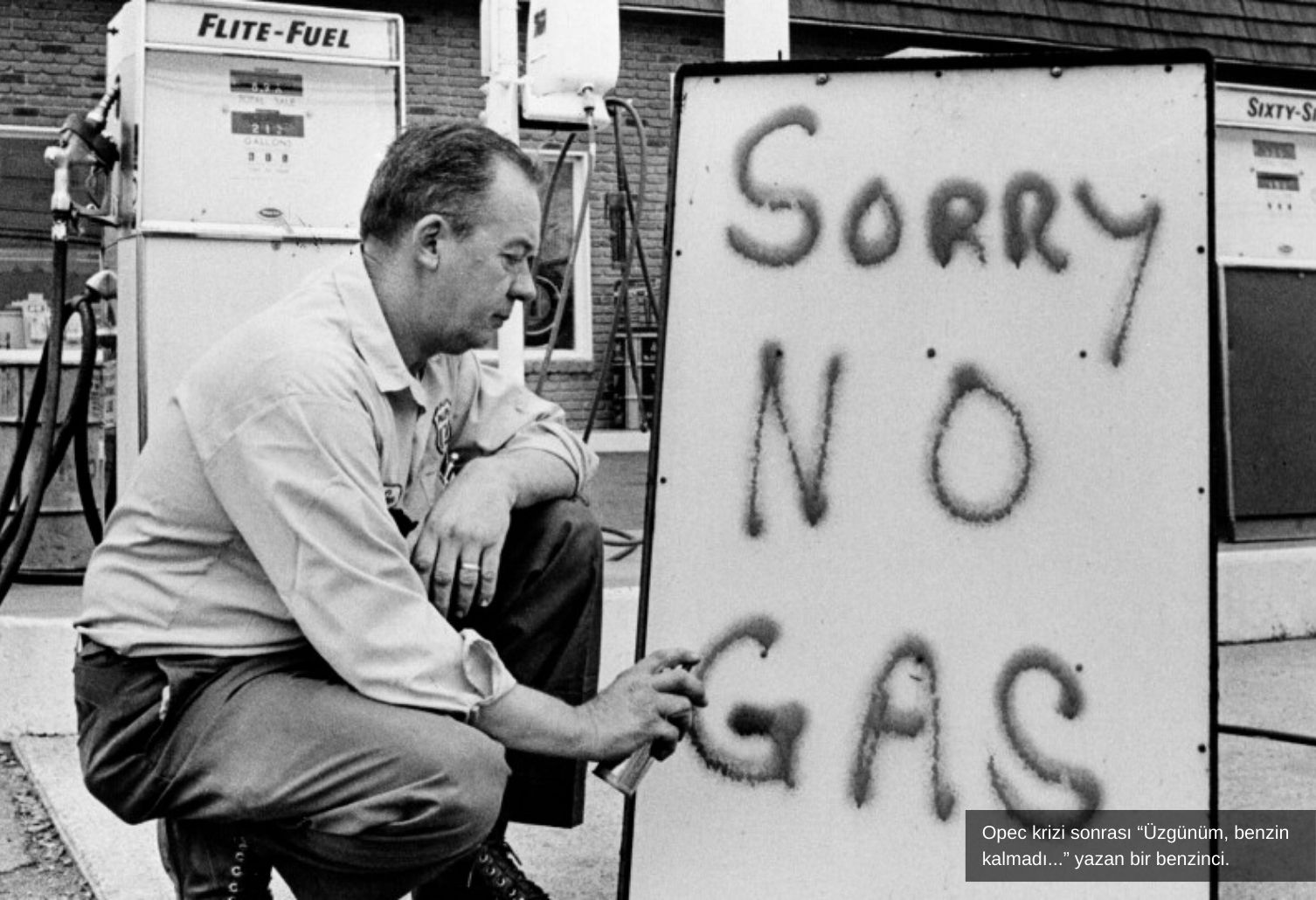
During this period, American automotive design philosophy underwent a radical transformation. The power and speed-focused approach gave way to an economy and practicality-focused one. The 1974 national speed limit of 55 mph (89 km/h) rendered the advantage of high-speed muscle cars obsolete. New safety regulations enacted in the mid-1970s required the addition of large, energy-absorbing bumpers and struts. These changes added hundreds of kilograms of weight to the average car, further slowing down performance. As a result, models from the muscle car era either disappeared entirely or, even if their names lived on, their character was fundamentally altered. Legendary models like the Mustang, Camaro, and Challenger, while technically still existing in the late 1970s, were now seen as "shadows of their former glory." For example, the most powerful V8 version of a 1975 Camaro only had 145 horsepower (whereas the 1969 Z/28 version reached 375 HP), and when the Dodge Challenger name reappeared in 1980, it was essentially a Mitsubishi-produced 4-cylinder coupe. While this transformation was met with disappointment by car enthusiasts of the time, it demonstrated the industry's effort to adapt to new realities.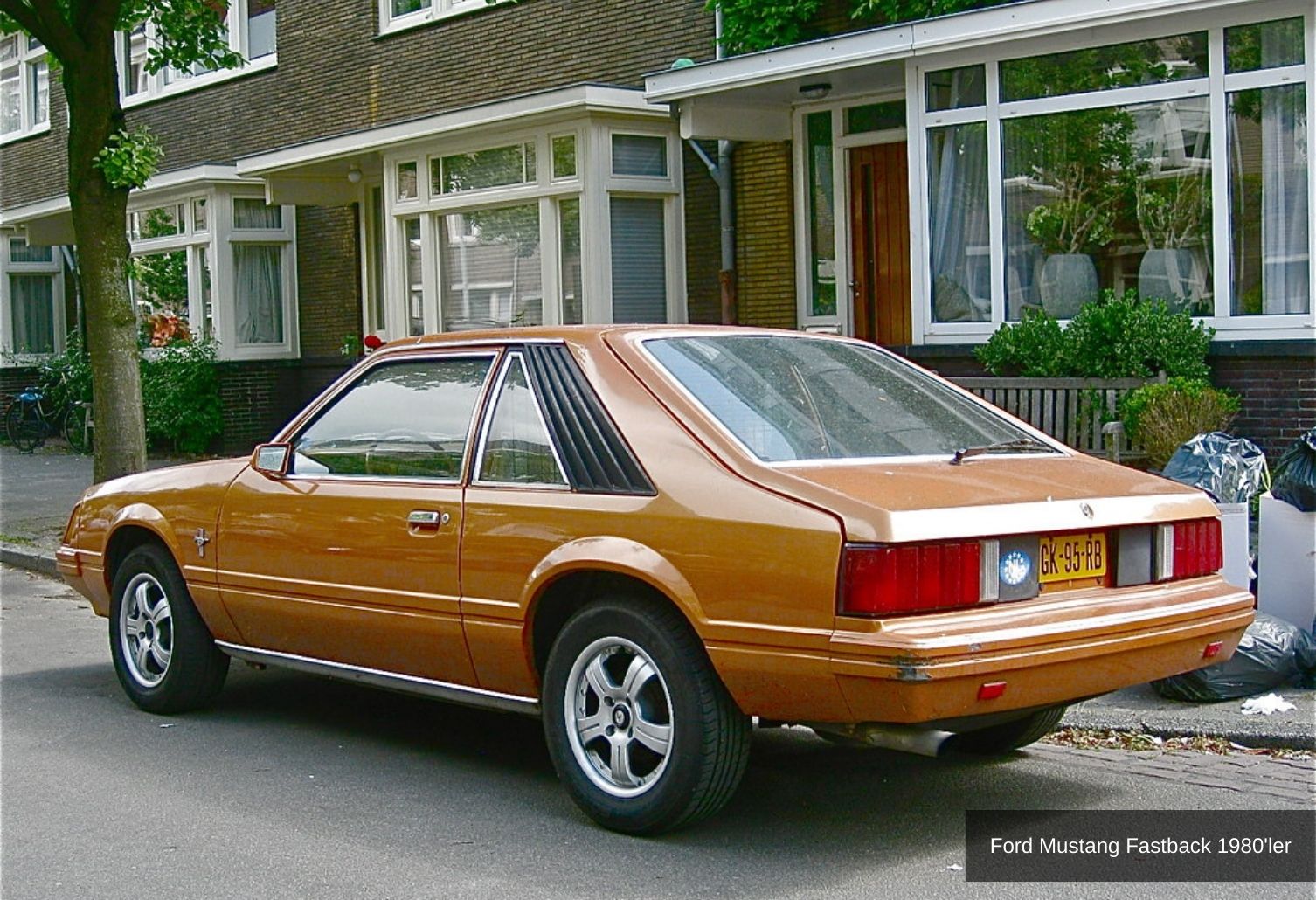
The OPEC oil crisis and other pressures of the 1970s marked a turning point in the American automotive industry. Fuel economy, emission control, and safety rose to the top of design priorities. The era of large, powerful cars ended, giving way to an era of compact, efficient, and more environmentally friendly vehicles. This forced change also yielded some positive results in the long run. From the 1980s onwards, automakers sought ways to increase both performance and efficiency by developing lighter materials, aerodynamic designs, and new engine technologies. Ultimately, the lessons learned from the ashes of the oil crisis paved the way for innovations such as fuel injection, turbocharging, and electronic engine control in later years. Looking back today, we see that the oil shock of the 1970s temporarily froze the muscle car legend, but reshaped automotive engineering along the lines of efficiency and sustainability. While legendary muscle cars are still remembered as cultural icons, their pause allowed the automotive world to evolve in a more balanced and responsible way.